Cómo el negro pasó del luto a la elegancia
Hace poco más de cien años, vestirte de negro quería decir que estabas de luto. Hoy es lo que te pones para una cena importante. Así fue el cambio.
La ropa del duelo
En buena parte de Europa y América, el negro era la ropa del luto. Había reglas de cuánto tiempo usarlo y con qué telas, y eran tan detalladas que el Museo Metropolitano de Nueva York les dedicó una exposición entera en 2014, Death Becomes Her[1].
1926El vestido de Chanel
En octubre de ese año, la edición estadounidense de Vogue publicó el dibujo de un vestido negro, corto y muy sencillo de Gabrielle Chanel. Lo apodaron «el Ford», por el Modelo T, el coche que todo mundo tenía[2][3]. A partir de ahí el negro empezó a verse como algo moderno.
De ser el color del luto, pasó a ser el básico del clóset.
1981Los japoneses llegan a París
Rei Kawakubo, de Comme des Garçons, y Yohji Yamamoto presentaron en París ropa casi toda negra, amplia, asimétrica y con acabados que parecían a medio hacer. Eran los años del glamour de Versace y Mugler, y a parte de la prensa le cayeron mal[4][5]. Con el tiempo se les dio su lugar: en 2017 el Met le dedicó a Kawakubo una gran exposición, apenas la segunda para un diseñador vivo después de Yves Saint Laurent[6].
HoyLujo sin logotipos
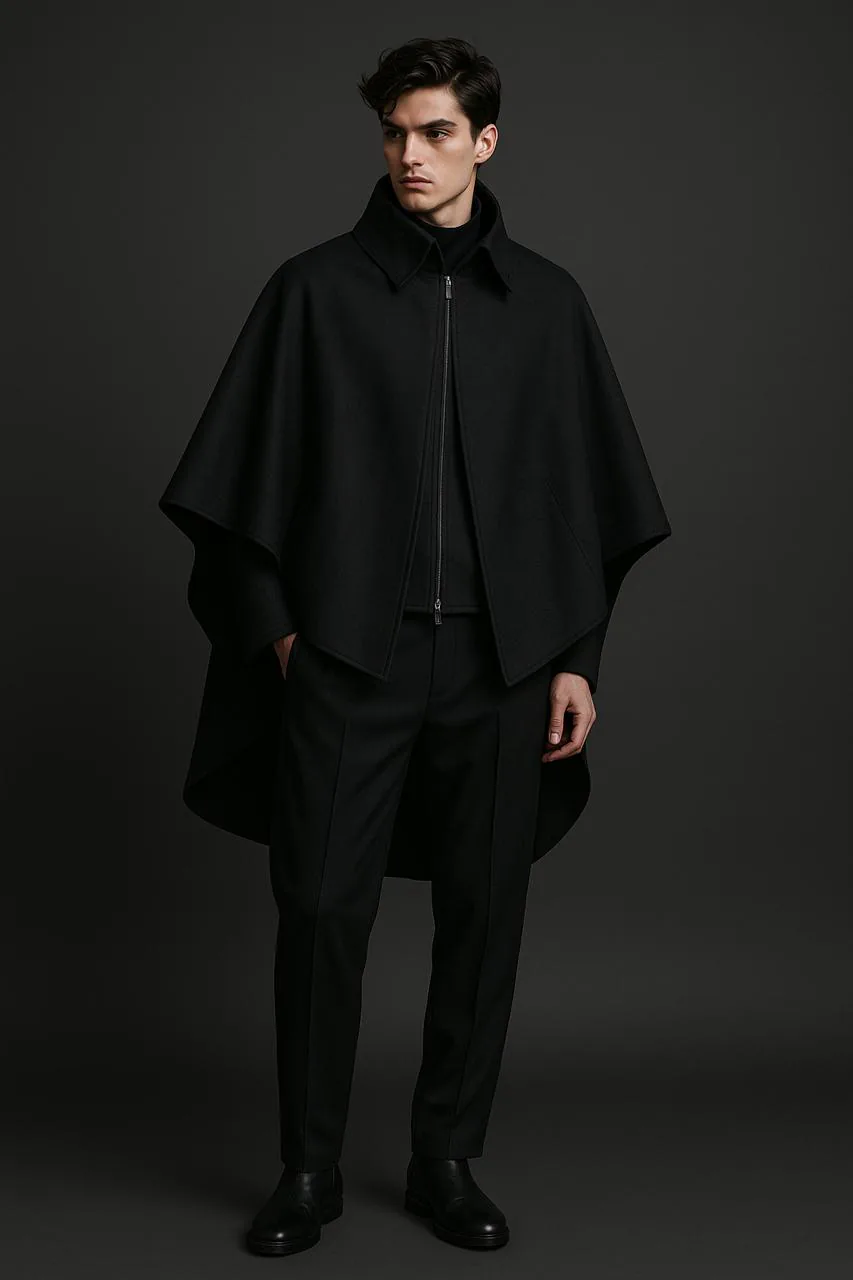
Desde 2023 se habla mucho de «lujo silencioso»: ropa sin logotipos a la vista, donde lo que importa es la tela, el corte y cómo está hecha[7]. El negro le queda perfecto porque no distrae y deja ver la forma.
Por eso trabajamos con pocos colores: negro, carbón y hueso. Así nos gusta.
Fuentes
- The Metropolitan Museum of Art (2014). Death Becomes Her: A Century of Mourning Attire
- Smithsonian Magazine. Why Coco Chanel created the little black dress
- The Metropolitan Museum of Art. Ficha de colección 1994.161.1 (homenaje de Karl Lagerfeld al diseño de 1926)
- Victoria and Albert Museum. Comme des Garçons, Rei Kawakubo (ficha T.88-2025): debut en la Semana de la Moda de París en 1981
- NBC (2017). Rei Kawakubo: 7 things to know
- The Metropolitan Museum of Art (2017). Rei Kawakubo/Comme des Garçons: Art of the In-Between
- Wikipedia. Quiet luxury
How black went from mourning to elegance
A little over a hundred years ago, wearing black meant you were in mourning. Today it’s what you put on for an important dinner. Here’s how that happened.
The clothes of grief
Across much of Europe and America, black was what you wore in mourning. There were rules about how long to wear it and in which fabrics, so detailed that the Metropolitan Museum of Art in New York gave them a whole exhibition in 2014, Death Becomes Her[1].
1926Chanel’s dress
That October, American Vogue ran a drawing of a short, very simple black dress by Gabrielle Chanel. They nicknamed it “the Ford”, after the Model T, the car everybody had[2][3]. From then on, black started to look modern.
It went from the colour of mourning to the wardrobe staple.
1981The Japanese arrive in Paris
Rei Kawakubo, of Comme des Garçons, and Yohji Yamamoto showed clothes in Paris that were almost all black, loose, asymmetric and looked half finished. It was the era of Versace and Mugler glamour, and part of the press hated it[4][5]. In time they got their due: in 2017 the Met gave Kawakubo a major exhibition, only the second for a living designer after Yves Saint Laurent[6].
TodayLuxury without logos
Since 2023 there’s been a lot of talk about “quiet luxury”: clothes with no visible logos, where what matters is the fabric, the cut and how it’s made[7]. Black suits it perfectly, because it doesn’t distract and lets the shape show.
That’s why we work with few colours: black, charcoal and bone. That’s how we like it.
Sources
- The Metropolitan Museum of Art (2014). Death Becomes Her: A Century of Mourning Attire
- Smithsonian Magazine. Why Coco Chanel created the little black dress
- The Metropolitan Museum of Art. Ficha de colección 1994.161.1 (homenaje de Karl Lagerfeld al diseño de 1926)
- Victoria and Albert Museum. Comme des Garçons, Rei Kawakubo (ficha T.88-2025): debut en la Semana de la Moda de París en 1981
- NBC (2017). Rei Kawakubo: 7 things to know
- The Metropolitan Museum of Art (2017). Rei Kawakubo/Comme des Garçons: Art of the In-Between
- Wikipedia. Quiet luxury